
How The Course Approaches Papermaking
Learn The Process As A Connected Flow
The course follows what happens to fiber and water from pulp preparation through stock preparation, forming, pressing, drying, and finishing. Instead of memorizing isolated terms, learners connect each stage with the material entering it, the change taking place, and the paper properties that can be observed afterward.
Process Diagrams Meet Real Paper Samples
Simplified production diagrams help organize terms such as pulp, stock, refining, drainage, wet web, press section, and dryer section. Following the sequence makes it easier to see why papermaking is not simply a matter of drying pulp.
Paper samples add a physical reference point. Learners can compare basis weight, thickness, opacity, formation, surface feel, and stiffness, then relate those observations back to fiber preparation, water removal, and finishing decisions.

Observe Before You Explain A Paper Difference
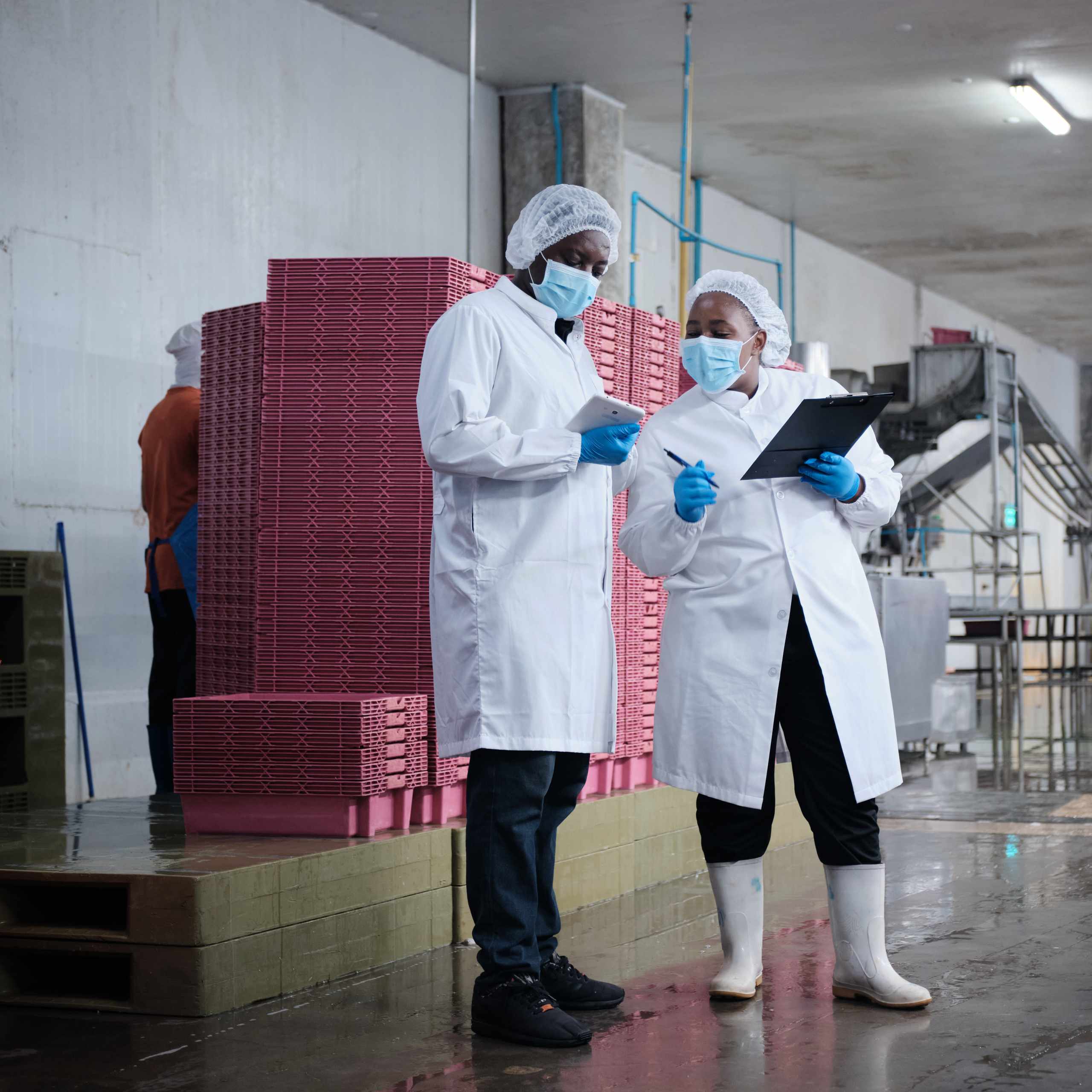
The learning approach favors controlled comparison over quick conclusions. A visible variation in formation, thickness, or surface condition can have several possible causes, so observations are recorded before a process explanation is chosen.
Simple exercises may use transmitted light, sample measurements, process-flow tracing, or basis-weight calculations. Industrial machines and chemical processes remain conceptual unless suitable supervised facilities are explicitly available.
What Learners Notice

Hajime Akagi
Separating pulp, stock, and the wet web made the whole production sequence easier to follow. The process diagrams helped me understand where refining, forming, pressing, and drying each fit instead of blending them into one stage.

Takuya Kawasaki
Comparing paper samples changed how I looked at thickness and basis weight. Measuring them separately made it clear that a thicker sheet is not automatically heavier, and the terminology started to feel much more concrete.

Ayaka Furuhashi
Looking at formation against a light source was especially useful. Instead of calling one sheet good and another bad, I learned to describe the visible differences first and consider several process factors that could have influenced them.